
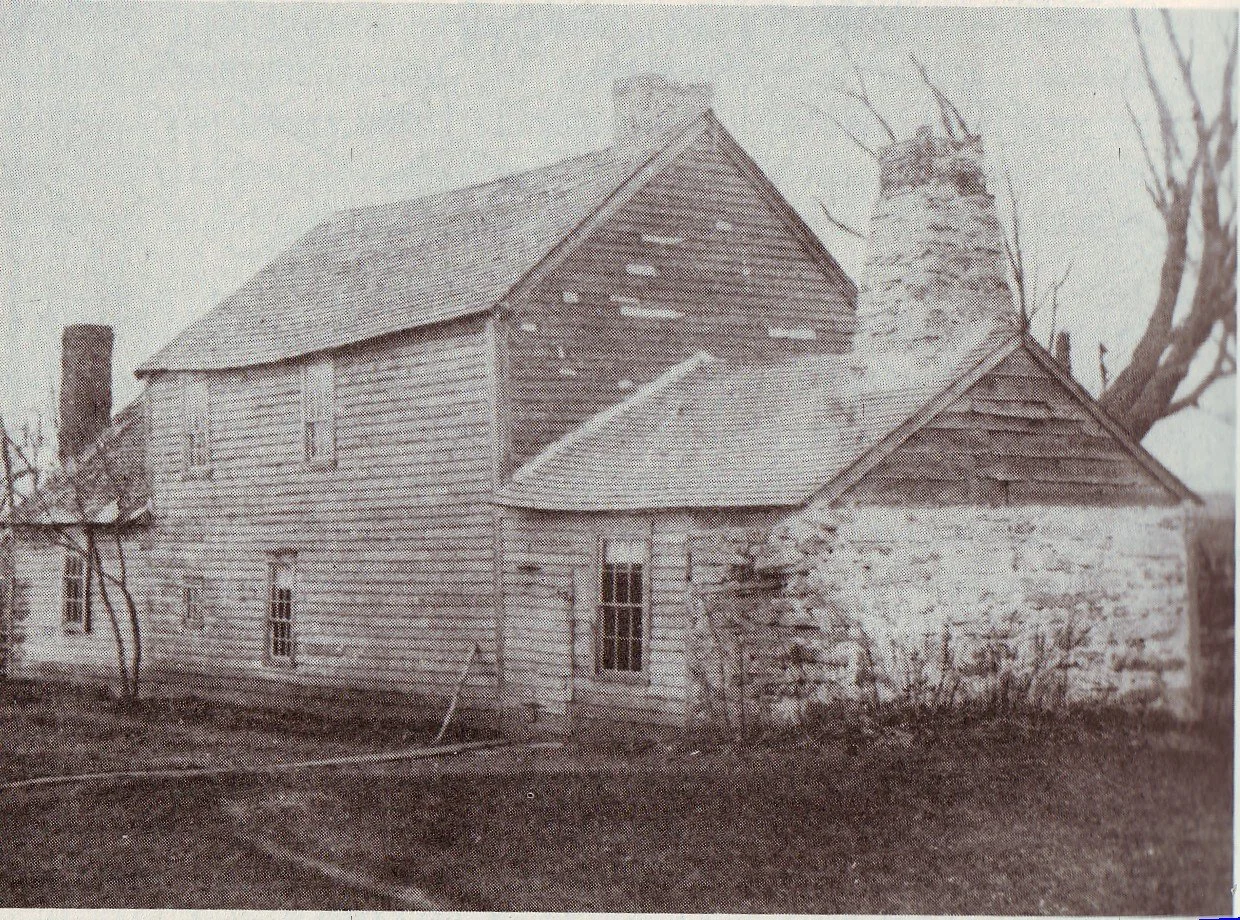
The History of North Smithfield, Rhode Island
North Smithfield evolved from 17th-century farmland into one of America’s industrial birthplaces at Slatersville. This manufacturing legacy now faces a crossroads as the growing suburb balances business interests with environmental protection, preserving and protecting community values, and updating and modernizing infrastructure to keep up with the growing town.
Founded in 1871 after separating from Smithfield, North Smithfield was initially a patchwork of five distinct mill villages, most notably Slatersville, the nation’s first planned industrial village. Powered by the Branch and Blackstone Rivers, these mills drove an economy that grew from a population of 3,052 at the first census to a manufacturing powerhouse.
As manufacturing declined in the early 1900s, the town saw workers leave for more industrialized cities, but the post-war era transformed North Smithfield into a growing suburb. By 2020, the population had reached 12,588, reflecting steady growth as residents sought the town’s hilly, forested landscape while remaining connected to metropolitan hubs like Providence and Boston.
Today, however, the town's history of industrial success has left a complicated modern legacy that current leadership must address:
Environmental Legacy vs. Business Growth: The town is currently struggling to reconcile its industrial past with environmental safety. Decades of oversight failures at sites like the Pine Hill Road Quarry have led to significant legal and environmental challenges, including a proposed "Industrial Special Management District" to allow continued earth extraction despite its proximity to Superfund sites.
Water Security: Protecting the town's groundwater remains a central point of contention. A past exemption of the Water Supply Overlay District to protect aquifers, policy shifts in 2020—supported by figures like Councilman Beauregard—exempted high-risk industrial zones, a decision that has directly impacted ongoing issues with businesses like Material Sampling Technologies (MST).
Infrastructure Deficits: The town’s rapid suburban growth has outpaced its aging infrastructure. Current projects, such as the long-delayed Police Station renovation at the former Bushee School, the Halliwell redevelopment, and aging water infrastructure, represent the town’s effort to modernize facilities that have suffered from years of deferred maintenance and unfulfilled promises.
Community Values and Conduct: As the town grows, internal political debates have become increasingly visible. From the 2018 Nike boycott resolution to modern disputes over a municipal Code of Conduct, the Council has resisted accountability that would create a professional and inclusive government for its constituents.
North Smithfield stands at a crossroads, needing to protect the rural character and environmental health that attracted its current 12,500+ residents while finally resolving the infrastructure and regulatory gaps left behind by its 19th-century industrial origins.